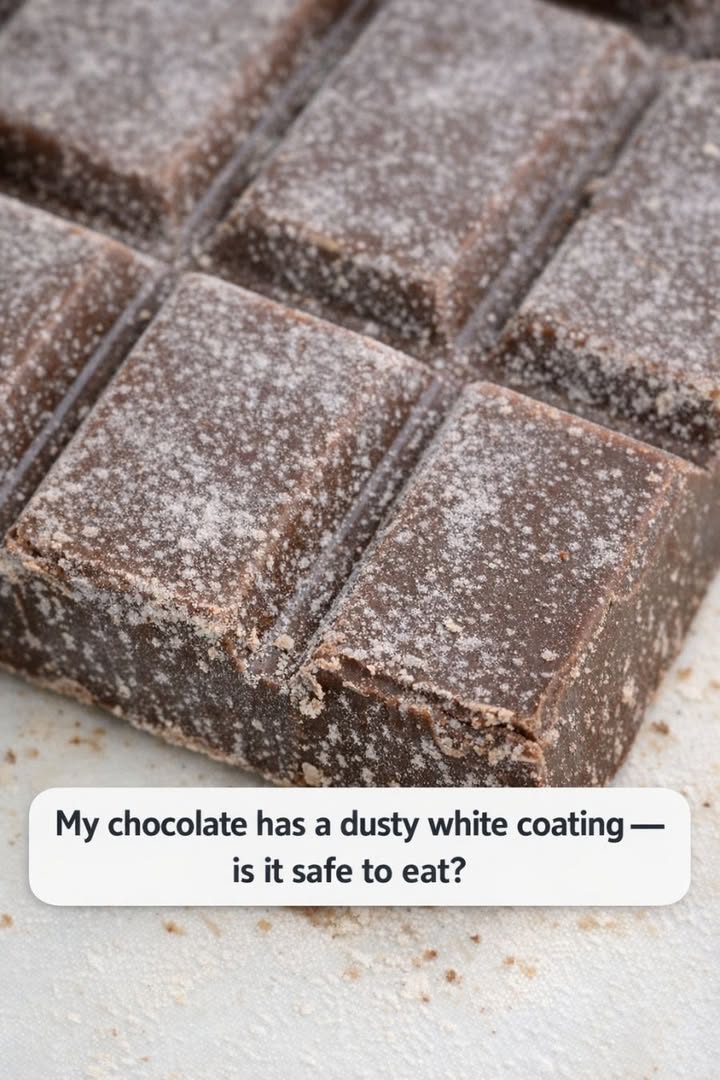
1. What Is That Dusty White Coating on My Chocolate?
The dusty white coating that sometimes appears on chocolate is known as 'bloom.' It can manifest as either a fat bloom or a sugar bloom. Fat bloom occurs when the fat, such as cocoa butter, in the chocolate separates and rises to the surface. This can happen due to changes in temperature, causing the chocolate to soften and then harden again, leaving a whitish film. Sugar bloom, on the other hand, occurs when moisture causes the sugar in the chocolate to dissolve and then recrystallize on the surface, resulting in a grainy texture.
Both types of bloom are quite common and are more about aesthetics than anything else. They are usually harmless, although they can affect the texture and mouthfeel of the chocolate.
2. The Science of Chocolate Bloom: Fat Bloom vs. Sugar Bloom
Fat bloom and sugar bloom occur due to different scientific processes. Fat bloom is the result of temperature fluctuations, where the cocoa butter within the chocolate melts and re-solidifies unevenly, leading to a dull and streaky surface. This type of bloom generally results from storing chocolate in a place where the temperature frequently changes, such as near a window or a frequently opened pantry.

The Hidden Meaning of the “M” on Your Palm: What It Reveals About Life, Love, and Destiny

Lady weaves 40 cheap yellow Dollar Store tulips through a round rusty wire hanging planter basket. Neighbors keep asking about this stunning front yard hack!

Lady spray-paints stainless steel bowls and hot glues them onto tree branches. Everyone in the neighborhood is copying this front yard idea

Lady melts 150 wrinkled plastic grocery bags under a hot heavy iron. Everyone is copying this idea for their backyard!

Bringing Back the Magic: The